A neatly arranged home workspace focused on a slim silver laptop displaying abstract, softly colored graphs and waveforms, suggesting autonomic nervous system data without any readable text. The laptop rests on a pale wooden desk beside a simple ceramic mug and a small green plant in a white pot. Soft daylight filters through an unseen window, creating gentle reflections on the screen and subtle shadows along the desk edge. Photographic realism at eye level, with a shallow depth of field that blurs the background into a calm, neutral gradient. The mood is professional, focused, and reassuring, reflecting thoughtful research and basic information about dysautonomia without any clinical harshness or sensationalism.

The Dysautomaton

Exploring dysautonomia through science and story—personal experiences, practical tools, and research to help you feel informed, seen, and supported.

I just started this thing, so hold onto your britches a bit. But also change them once in a while, even or especially when the effort sees too great. Just because you dysautnomia it doesn’t mean you have to smell bad. And you can put your britches on while lying down, giving lie the old, “He puts his pants on just like any other man, one leg at a time.”

An oil painting closely inspired by Jacob Toorenvliet's "Doctor's Visit" — a physician seated beside a reclining or seated unwell patient in a modest interior, warm candlelight or window light, rich brown and amber tones, deep shadows, 17th century Dutch Golden Age style, fully clothed figures, intimate and compassionate mood, no green tones, painterly texture, chiaroscuro lighting

Science & Story

Why I Write About Dysautonomia

I write about dysautonomia because of the way it has upended my life. I write because I look OK to everyone else, but I can’t do what someone who looks like me is supposed to be able to. Work is so hard. A day is a long, hard slog. What else? My dog is underwalked, my musicianship is deteriorating, I can’t go on a hike, I can’t work in my garden in the summer for the heat.

Let’s face it: things suck. And before you go thinking “Well, at least….”, remember that that is the absolute worst thing you can say to anyone (except, perhaps, “I’m glad things suck for you, and I hope they get worse”). That kind of thing reduces the permission for unhappiness and suffering to only the worst-off person in the world.

And another thing: That which doesn’t kill you often leaves you wounded and broken by the side of the road. (You can use the old bromide that it makes you stronger if you are talking about your dinner. Generally, food that doesn’t kill does make you stronger, or better nourished at least. Unless you’re overeating the wrong things to the point where your arteries clog or you can’t get around anymore. In that case, no, food is just gumming up the works, as well as your arteries. This is already too complicated. Just don’t use the saying. It belongs on motivational posters, which means it belongs in the trash. )

t

I write about dysautonomia in the hope that one day I will feel better.

The Approach

Research and lived experience, side by side
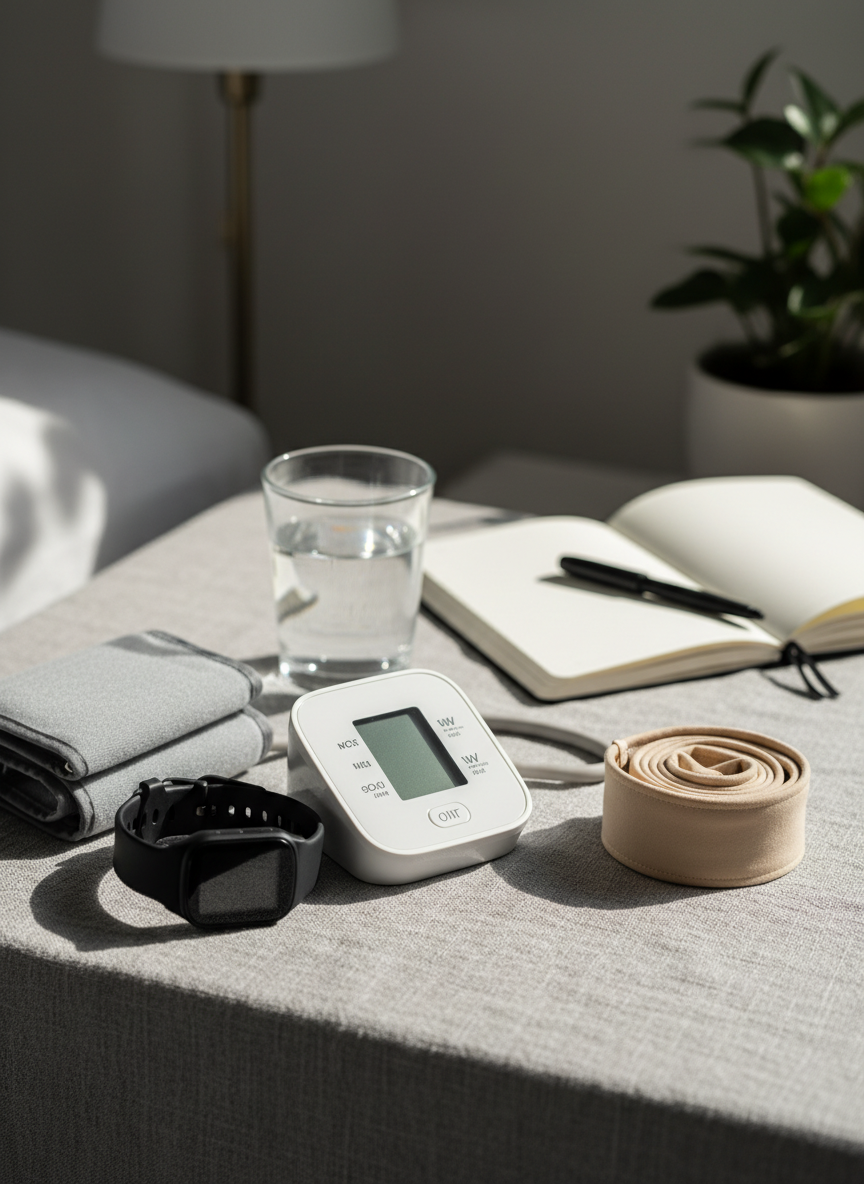
A close-up photographic view of a tidy bedside setup featuring a digital blood pressure monitor, a heart rate monitor watch, and a coiled compression garment folded on soft gray fabric, with a glass of water and a notebook, in soft afternoon light.
A photographic overhead shot of an open journal on a warm wooden table with faint handwritten lines, beside noise-canceling headphones, a knitted blanket, and a ceramic mug of herbal tea in natural morning light.

Honest stories from daily life

It’s so hard to find good help these days. s

I’m figuring
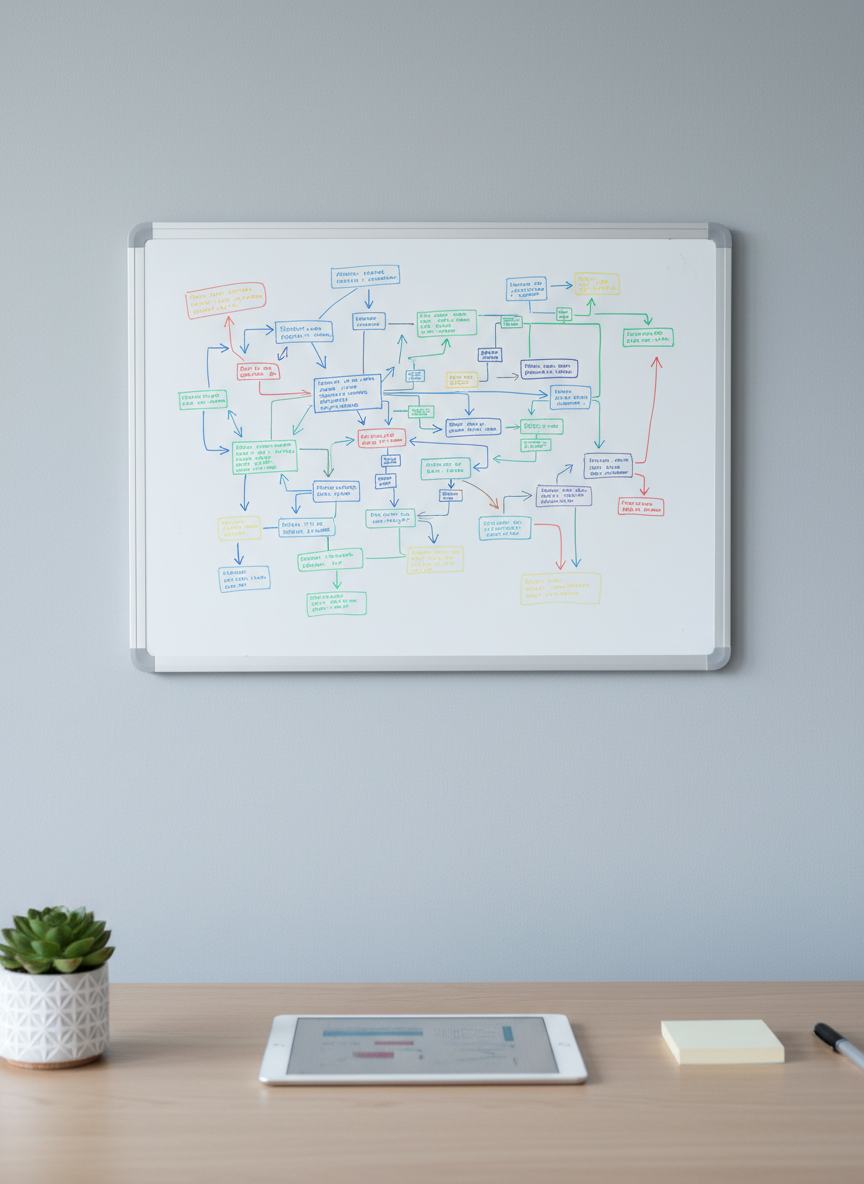
A minimalist whiteboard covered with colorful diagrams representing dysautonomia research pathways, with a tablet showing medical charts, a succulent, and sticky notes on a light oak table in cool studio lighting.

Evidence-based research

Clear explanations grounded in current science, translated into plain language.

From the Blog

Stories

A photographic eye-level view of a neutral-toned living room corner for recovery and pacing, with a plush armchair and throw, a side table holding a water bottle, electrolyte packets, and a timer, and a rolled yoga mat, in warm late-afternoon light.

Stay in Touch

Newsletter

Occasional updates with new posts, research highlights, and resources.

Contact me

Questions, ideas, or your own dysautonomia story—send a message if you’d like to connect or share feedback.

← Back

Thank you for your response. ✨